Social Media SEO Strategies to Attract Target Audiences
Brand discovery today occurs across a range of platforms, from Google, AI search, and video results to community sites and social media. When it comes to social media SEO, brands have the chance to appear in native social search results, recommendation feeds for individual users, and external search in traditional and AI search engines.
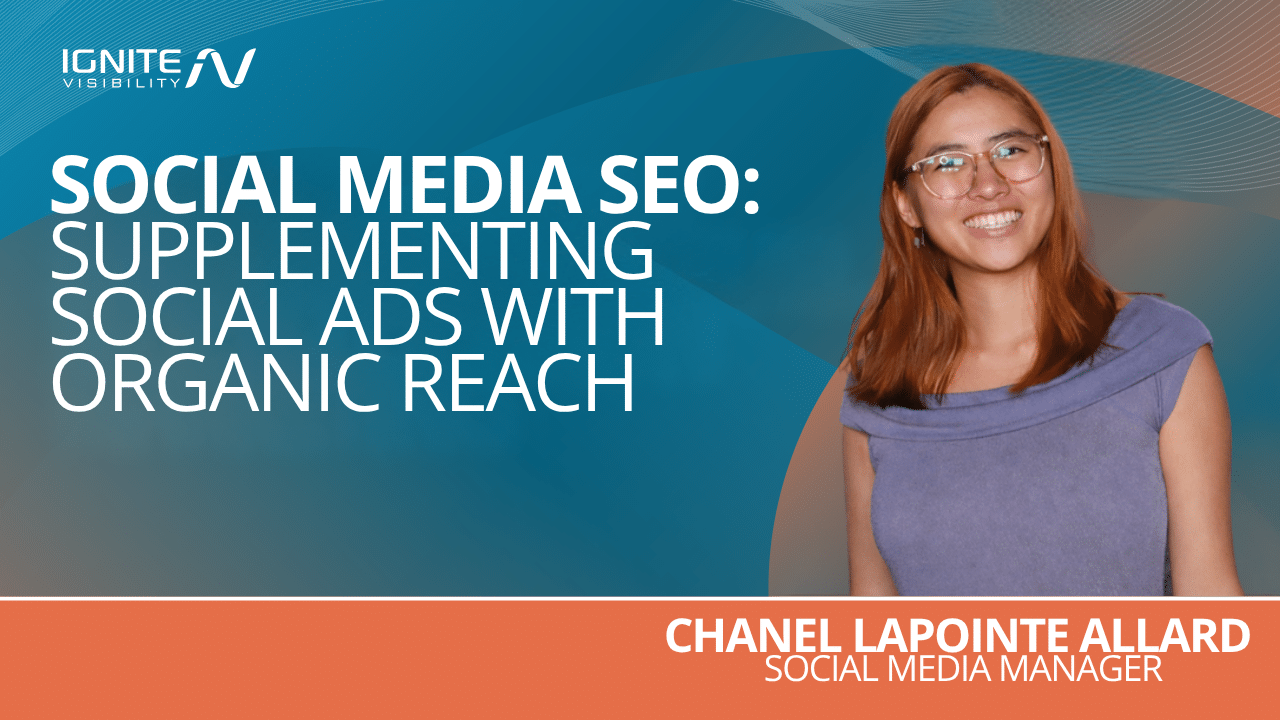
In this blog, Chanel Lapointe Allard, Ignite Visibility’s Social Media Manager, will explain how social search optimization and discovery work, the ranking factors of SEO in social media, and how to build your next social media SEO strategy across platforms.
What’s Covered:
TL;DR
Throughout this guide to SEO on social media, we’ll cover the following key points:
- Social media SEO can help boost discoverability both on and off social platforms
- Search intent varies across platforms, which will influence your strategies
- Users now look for answers within social platforms, and with the help of AI tools
- Strategies must adapt to changing user behaviors to remain effective
- You need to optimize both your social profiles and content to maximize visibility
What Is Social SEO?
Social media SEO is a process that involves optimizing content and profiles to boost visibility in native and external search results, along with users’ unique in-app feeds. It entails using natural keywords and relevant, high-quality content to influence algorithms.
With the right approach to SEO for social media, you’ll ultimately improve your profiles’ and posts’ discoverability among target audiences, while also further helping people find your website and external content with on-platform AI tools.
Keep in mind that recommendation feeds are related to discoverability, but they are different from search results and incorporate different factors to push content, including specific user behavior and interests.
Also, while social engagement can help more people find your profile and content, it won’t directly impact Google or other external rankings.
How Social Discovery Actually Works
There are three main discovery surfaces that marketers can influence through social media SEO, including:
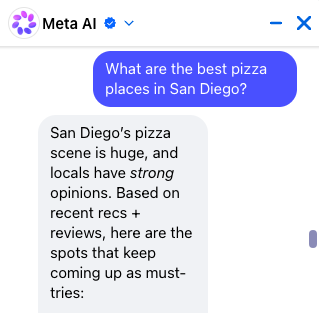
- Native Search: Social media marketing SEO can help both profiles and content appear in search results within platforms, including traditional in-app search results and AI tools or chatbots like Meta AI.
- External Search: One of the indirect benefits of both social media and SEO in marketing is the ability to get found on external search platforms like Google and Bing, with the ability to boost traditional and AI search visibility.
- Recommendation Feeds: Your posts and profile could show up in people’s personalized feeds if your content matches their interests.
While marketers can control elements like content, metadata, public settings, websites, and tracking, they can only influence factors like algorithmic distribution and AI citations to an extent.
Different users might see different results based on their interests, past history on the platform, and the kinds of profiles they follow.
Expert Opinion on Social Media SEO
Social media marketing is changing with the way people search, with many users now seeking answers to their questions using native social search features and AI-powered tools. To pivot accordingly, brands must think of social content as more than simply something to post; instead, they should make it something people can discover them through.
I’ve also seen a similar shift occurring across search as a whole: At Ignite Visibility, we helped one brand increase its AI visibility by 458% across over 5,000 blogs by focusing on content structure, relevance, and stronger signals around expertise. While AI and social search aren’t the same, they rely on similar strategies, with both requiring helpful content that makes it easier to find the info they need.
So, when optimizing both social media and SEO, look at it from your audience’s perspective: What are they looking for? What kind of content do they want most? It all comes down to creating valuable, helpful content that connects with your target audience, not keyword stuffing.

How Search Intent Changes by Platform
Depending on the platform and the type of audience and content it hosts, search intent will vary.
Let’s look at some of the different types of intent:
- Instructional: People seek educational content around a particular topic, like tutorials.
- Comparison: Users may want to compare two or more products, services, or brands.
- Purchase: Audiences could also want to purchase an item and learn more about it before making a buying decision, or they may engage in impulse buys for smaller items.
- Local: Users often look for information about local businesses on social media, especially through Facebook.
- Professional: On a platform like LinkedIn, people will look for details about industry professionals, businesses, and B2B offerings, along with professional tips and guidance.
- Community Validation: Users on platforms like Reddit want to feel a part of their communities and contribute to meaningful discussions, introducing community management to SEO and its relationship with social media.
As such, you will need to package the same query differently for platforms like TikTok, YouTube, LinkedIn, Pinterest, and Reddit, e.g., a keyword like “leaky faucet” might direct people to tips on TikTok and YouTube in the form of “how to fix a leaky faucet,” while a Reddit discussion might focus on “what causes a leaky faucet.”
The Social SEO Ranking Factors That Matter
Here are five main types of factors that can impact SEO for social media marketing:
- Content Signals: What content communicates in the main body, on-screen text, alt text, captions, voiceover, and other elements, with an emphasis on content freshness in many cases.
- Engagement Signals: User behavior based on likes, shares, comments, saves, shares, video watch time, completion rate, and follows.
- User Signals: Factors like users’ search history and comment behavior, interests, and types of accounts they follow.
- Context Signals: Data about when and where people are seeing content, such as the time of day, location, and desktop or mobile devices.
- Entity Authority Signals: Various entity SEO components like verification badges, a niche focus establishing topical authority, overall credibility, and consistent platform compliance.
Just remember that signal weighting differs by platform and discovery surface.
How to Build a Social Media SEO Strategy
Let’s go over how to implement SEO for social media sites:
1. Define the Business Outcome
First, set a specific goal for your strategy, which will help you identify the top social SEO platforms to target, the kind of content you develop, and how you’ll measure the results with your social media SEO tools. Goals could include increased brand awareness, website traffic, conversions, or other clear objectives.
2. Choose Priority Platforms
The top social networking sites for SEO will depend on your goals, industry, content, and the type of audience you want to target. It could be a single reliable channel or multiple platforms at once.
3. Research Platform Queries
Conduct some searches of your own or look at a social media SEO tool to identify popular queries worth targeting with your content.
4. Prioritize Opportunities
Identify the most compelling opportunities, such as currently trending topics or search behaviors, and focus on those first.
5. Build Content Pillars and a Query Map
To build more topical authority and determine what topics and subtopics to cover, use a pillar page strategy, which involves developing extensive articles or pages covering a topic in depth, followed by smaller blog posts exploring specific subtopics. You can then map specific keywords to these and use your content ideas to inspire posts.
6. Create, Test, and Improve
Create your posts, test different versions with A/B testing to see which posts get the best results, and improve your posts based on metrics gathered in your social media SEO tools.
How to Optimize Social Profiles for Search
To boost your social marketing SEO, you’ll need to optimize the following profile components:
- Handles: Platforms like X have handles that often start with “@” followed by a searchable name, which should be similar to or the same as your display name.
- Display Names: Optimize your profile or channel’s name with your business name or something memorable related to the kinds of topics you want to cover.
- Bios: Make sure your bios communicate what your business does, who it serves, and where it operates.
- Categories: Select relevant topic categories to connect you with people in your niche.
- Locations: Indicate where your business is physically located.
- Links: Include links to your website and, potentially, other social media profiles.
Also, for franchise and multi-location businesses, it’s important to optimize both your corporate account and local-level accounts for each location. Governance should also be appropriately allocated, with executives in charge of corporate accounts, while franchisees could take charge of local accounts while adhering to brand guidelines.
How to Optimize Posts, Captions, Images, and Videos
Once you’ve optimized your profile, it’s time to do so with your posts. Take the following key steps to boost your posts’ SEO:
- Identify the Query: Determine which specific keyword or keywords you want to target with each post, and be sure to include them naturally within the content instead of stuffing to build keyword density.
- State the Topic Early: Make it clear what your post will be about by stating the topic at hand and key points you’ll cover throughout right at the start of your post.
- Answer Directly: Don’t try to build engagement and watch time by avoiding the point till the end of the post; give your audiences what they want with a clear answer to their questions.
- Provide Proof: Support any claims or arguments with everything from industry reports and data to social proof in the form of case studies or testimonials.
- End With an Intent-Aligned CTA: Conclude every post with a call to action that makes sense based on the content, which can keep people moving along the customer journey.
Written, spoken, visual, and on-screen signals will ultimately work together to reinforce a topic naturally, giving algorithms plenty of context as to what your posts cover.
Social SEO by Platform
Here are the elements of each platform to keep in mind when optimizing SEO for social media sites:
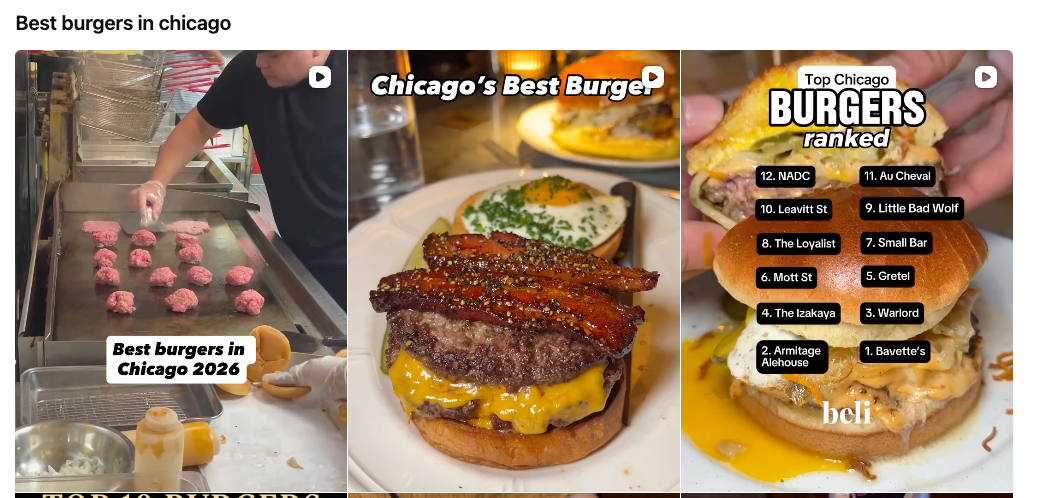
Instagram SEO
- Search Behavior: Users seek inspiration, aesthetics and fashion, products, and short-form entertainment
- Fields to Optimize: Name and handle, bio, captions, and image alt text
- Effective Formats: Reels for non-follower reach and Carousels for more saves and shares
- Priority Signals: Saves and shares
- Measurement: Non-follower reach and profile visits
- Key Mistake to Avoid: Overusing hashtags instead of relevant keyword-optimized captions
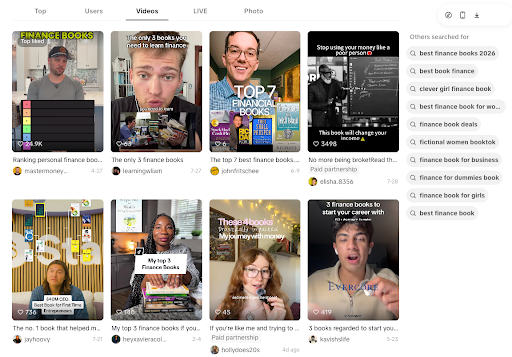
TikTok SEO
- Search Behavior: Users look for recommendations, tutorials, reviews, and entertainment
- Fields to Optimize: In-video text, spoken keywords, cover titles, captions, descriptions, display name, and bio
- Effective Formats: Talking head videos addressing a specific topic, along with multi-part series
- Priority Signals: Watch time and shares
- Measurement: Top queries bringing people to videos and retention rate
- Key Mistake to Avoid: Omitting automated or manual closed captions, which TikTok’s algorithm can process
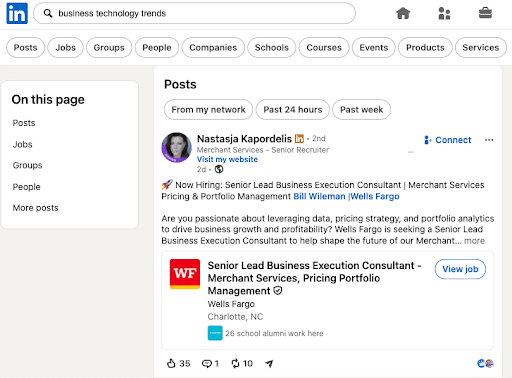
LinkedIn SEO
- Search Behavior: B2B intent, as users look for professional services, partnerships, and thought leadership
- Fields to Optimize: Profile headlines, about sections, and article titles
- Effective Formats: Text-only posts, videos, document posts with file uploads
- Priority Signals: Dwell time and meaningful comments
- Measurement: Search appearances and profile view velocity
- Key Mistake to Avoid: Including external links in your post, which can reduce its reach
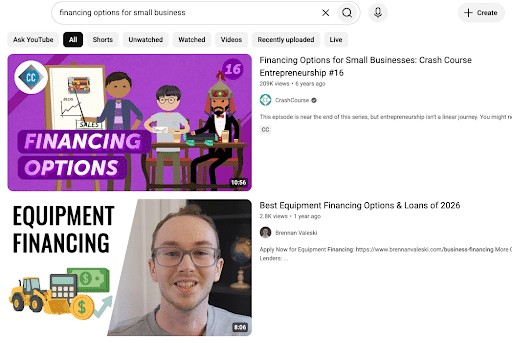
YouTube SEO
- Search Behavior: Users want long-form evergreen tutorials, in-depth reviews, entertainment, and short-form content
- Fields to Optimize: Video titles, descriptions, closed captions, and tags
- Effective Formats: Long-form videos and YouTube Shorts
- Priority Signals: Average percentage viewed (APV) and thumbnail click-through rate (CTR)
- Measurement: Traffic sources report and subscribers gained
- Key Mistake to Avoid: Clickbait that gets a lot of clicks but little engagement by misleading
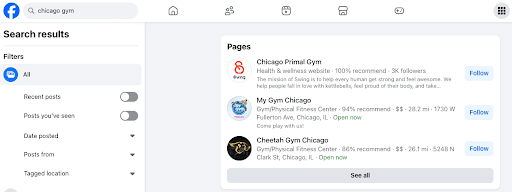
Facebook SEO
- Search Behavior: Seeking local businesses, marketplace listings, niche groups, event recommendations
- Fields to Optimize: About and page info, custom URL, pinned posts, post captions
- Effective Formats: Text, image, or video posts, and Facebook Reels
- Priority Signals: Link clicks and shares
- Measurement: Page discovery metrics and local action clicks, e.g., “Call Now” button clicks
- Key Mistake to Avoid: Incomplete profile fields
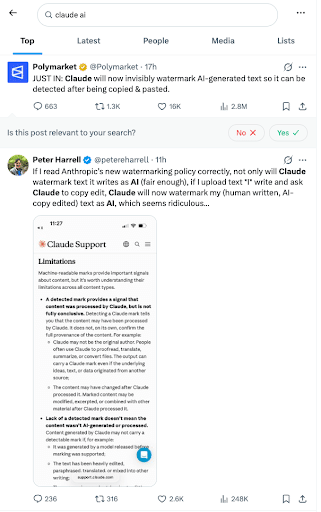
X SEO
- Search Behavior: Looking for breaking news, tech discussions, trending events, and customer service tracking, often filtering by the “Latest”
- Fields to Optimize: Display name and bio, long-form content titles, main post hooks
- Effective Formats: Threads and video attachments
- Priority Signals: Replies and reposts
- Measurement: Post impressions and link clicks
- Key Mistake to Avoid: Keyword stuffing to target irrelevant trending topics or hashtags
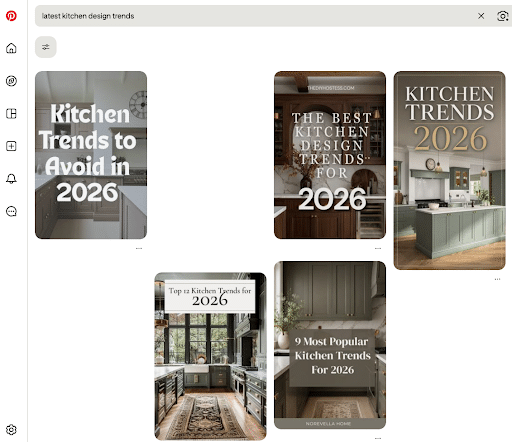
Pinterest SEO
- Search Behavior: High purchase intent focused on fashion, home decor, events, and project tutorials, with an emphasis on visual search to help find matching items
- Fields to Optimize: Board titles and descriptions, pin titles and descriptions, destination links
- Effective Formats: Standard static pins, video pins
- Priority Signals: Outbound clicks and saves/repins
- Measurement: Pinterest analytics “Inbound Traffic” filter and save rate
- Key Mistake to Avoid: Using horizontal images; it prioritizes a vertical format
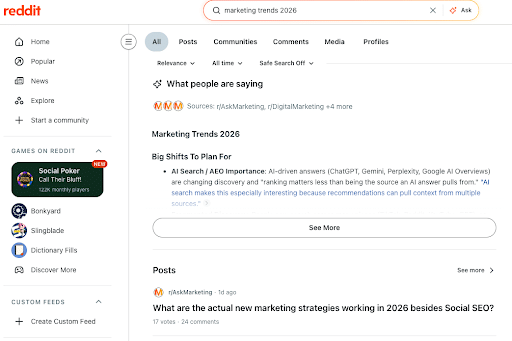
Reddit SEO
- Search Behavior: Looking for raw human reviews, community consensus, and troubleshooting fixes
- Fields to Optimize: Post titles, post content, and profile bio; also, select appropriate subreddits for posts
- Effective Formats: Text-heavy case studies, Ask Me Anything (AMA), industry-related topic discussions
- Priority Signals: Upvotes and comment velocity
- Measurement: Upvote percentage and inbound referral spikes
- Key Mistake to Avoid: Open self-promotion without active participation
How Social SEO Supports Google and AI Visibility
In addition to native search, some posts on certain platforms can benefit from public indexing in search engines and AI answer engines. There are several ways to optimize for and track the performance of SEO and social media management efforts on Google and AI platforms.
To start with, Google Search Console recently rolled out its platform properties reporting capability, a social media SEO tool enabling you to track the performance of social and video posts on TikTok, Instagram, X, and YouTube across Google Search, News, and Discover.
Additionally, you can give AI crawlers access to your content on owned websites, while building brand authority to optimize for AI with named reputable experts in bios, original evidence like proprietary studies, consistent entity information, and companion pages with transcripts or expanded resources.
How to Measure Social Media SEO
To measure the success of your efforts, track the following with your social SEO software:
- Native Social Discovery: Track queries bringing people to your content or profile, along with post engagement and followers.
- Google Discovery: Look for search impressions, search engine results page (SERP) rankings, and Google discovery sources.
- AI Mentions or Citations: Find out which of your profiles or posts AI is quoting or citing, and what kind of traffic you’re getting from AI Overviews, AI Mode, ChatGPT, or other generative engines.
- Commercial Impact: Consider what kind of brand reputation you’re building with social listening tools, and track revenue to attribute it clearly to your social media marketing.
Just don’t count on reach alone to measure success; focus on more meaningful metrics that align with your goals.
How to Run a Social SEO Audit
Take these steps to conduct an audit of SEO in social media:
- Establish a Baseline: Determine where you are currently compared to where you want to be once you’ve completed your campaign.
- Score Six Audit Areas: Create a scoring rubric for six main audit areas, such as: profile and identity, keywords and metadata, authority and sharing signals, content and intent, competitor benchmarking, and analytics and tracking.
- Prioritize by Impact and Effort: Identify which platforms, content, and optimization efforts deliver the best results, and make them top priorities.
- Create a 30-Day Action Plan: Develop an action plan to complete your audit and optimize on time, e.g., baseline and setup on days one through seven, followed by keyword research and profile optimization on days eight through 14, making content and metadata fixes on days 15 through 21, and finishing with authority building and reporting on days 22 through 30.
Social Search Optimization Mistakes to Avoid
The following are some critical mistakes to avoid with your optimization, along some corresponding fixes:
| Mistake | Fix |
| Keyword Stuffing | Only include keywords where they make sense to go, with natural occurrences in posts, profiles, video titles, descriptions, and other fields |
| Irrelevant Trend Chasing | Optimize for and post about trends that apply to your specific industry instead of trying to cover every trending topic out there |
| Identical Cross-Posting | Tailor each post to its corresponding platform, changing your language, tags, and other elements to make sure it’s a good fit |
| Fixed Hashtag Formulas | Don’t rely too heavily on hashtags, only using relevant ones sparingly on platforms where it makes sense to do so, such as Instagram |
| SEO-focused Alt Text | Make sure image alt text accurately describes the contents of an image while naturally including relevant keywords |
| Treating Engagement as a Direct Google Signal | Engagement could help with native search, but you can only influence Google and AI results with core optimization for some channels, like titles, descriptions, and captions in YouTube videos |
| Private Priority Content | Make your content available to public audiences when possible, which will help ensure that social media platforms and Google can crawl and index it |
| Overvaluing YouTube Tags | Tags can help YouTube videos to an extent, but you need to prioritize the video’s title, description, and closed captions to really help with rankings |
| Vanity Metric Reporting | Focus less on reach and likes and more on metrics that connect to your objectives, such as engagement metrics, watch time, and click-through rates |
| Inappropriate Reddit Promotion | Use Reddit to engage in meaningful discussions about relevant industry topics instead of blatantly promoting your business, which will encourage engagement and boost your reputation |
Social SEO Checklist
Follow this checklist to help you stay on top of your optimization efforts:
- Consistent NAP and Handles: Make sure your name, address, and phone number are consistent across platforms, with the same or a similar handle when needed.
- Public Visibility Toggling: Make all posts public to maximize reach and indexability.
- Custom Alt Text: Add descriptive and keyword-optimized alt text for all images.
- Native Closed Captions: Use text overlays or platform caption tools to further improve indexability and rankings.
- Bio Optimization: Include your primary keywords in your profile headlines, bios, or about sections.
- Front-Loaded Caption Keywords: Place primary target queries in the first two lines of post captions.
- Visual Clarity Anchors: Clearly state the main topic you’ll cover within the first few lines of your on-screen video text, visuals, and spoken words.
- Social Proof: Pin posts featuring strong reviews, testimonials, or case studies.
- Search-Optimized Content Pinning: Pin any user comments that ask or answer high-value queries to improve topical depth and boost engagement.
- Conversational Responses: Reply to your top comments within 24 hours with, when possible, relevant and natural keyword instances.
- Clean UTM Link in Bio: To help with tracking, include a link to your site with unique UTM parameters in your bio for each profile.
- In-App Search Logging: Document all native platform search metrics monthly, separating standard home-feed views from discovery views.
- Google Analytics Conversions: Map all social landing pages to your conversion goals or event triggers within Google Analytics 4.
- Analytics Change Annotations: Include detailed notes or annotations in analytics platforms whenever you notice a major change in performance, change keywords, or make a significant change to your optimizations.
- Historical Post Updates: Find older high-performing posts and refresh them with new captions, links, or pinned comments to keep them ranking.
FAQs
1. Does social media directly affect Google rankings?
Social media SEO tools and strategies won’t have a direct impact on Google rankings. Google’s crawlers are unable to access all social content, and the algorithm doesn’t factor in social media engagement when ranking profiles or posts, regardless of the number of likes, shares, comments, or followers.
2. Can social media posts appear in Google search results?
Yes, public social media posts can show up in both traditional and AI search results on Google. The engine pulls from sources like YouTube, Reddit, Instagram, TikTok, and X in many cases, ranking posts based on elements like relevant keywords, captions, and alt text.
3. Which social media platform is best for social SEO?
The top social SEO platforms will depend on where your audience is. However, YouTube is often the best for helping brands appear in external search results, especially on Google. Owned by Google, the platform can help content and channels appear in organic results with optimized video titles, descriptions, and closed captions.
4. Where should keywords be used in social media content?
You can use keywords strategically throughout your content in several elements, including captions, descriptions, hashtags, and alt text. Keep in mind that the effectiveness of hashtag optimization will vary across platforms, with some social algorithms putting less weight on them than others, making them more helpful as contextual labels than actual ranking factors.
5. Are hashtags still important for a social media SEO strategy?
While they once played a big role in helping social media content rank in native search results on platforms like X, hashtags aren’t as influential today. Instead, focus more on optimizing captions, visuals, and audio elements to help with organic rankings and broad discovery.
6. Should keywords be included in image alt text?
Yes, you should include relevant keywords in image alt text to improve SEO for social media. However, they should be natural keyword inclusions that accurately describe the contents of the corresponding image, making your content more accessible to visually impaired users while giving search engines context as to what it’s about.
7. How can brands improve visibility in ChatGPT, Gemini, and Perplexity?
There are many ways brands can ensure more people find them in AI search results with SEO on social media, including structuring content with direct answers to common questions, building clear entity authority across the web, and earning third-party citations on trusted sources.
8. How do you measure social SEO when results are personalized?
While personalized search results can change what users see based on their interests and history, you can measure the results of your efforts with the right social media SEO tools. Using social SEO software like Google Analytics 4 and Semrush, you can see which social media platforms bring in the most traffic and monitor brand visibility across platforms.
9. Can the same content be reused across multiple social platforms?
Yes, you can repurpose existing content for use on all relevant platforms to maximize reach. At the same time, you should tailor each post to be unique on each platform, e.g., writing different captions to appeal to different audiences and formatting videos to adhere to each platform’s unique specs and formats.
10. How often should a social media SEO strategy be audited or updated?
To continually optimize SEO and social media campaigns, you need to conduct a periodic audit of your strategies, including profiles, posts, captions, and keywords. You can conduct routine audits monthly, with more tactical quarterly updates based on the results compared to your goals.
How Ignite Visibility Can Supercharge Your Social Media and SEO
Need help with your SEO and social media management? Having the experts at Ignite Visibility behind your strategy can help you maximize discoverability on social media platforms and external search engines alike.
Our experts can help you:
- Identify the social media platforms where your audiences are
- Develop tailored social media strategies to connect with audiences
- Optimize social media profiles and posts to influence search algorithms
- Regularly audit and update your strategy for continual optimization
- Integrate social media into a comprehensive marketing strategy
- And more!
Want to learn more about what we can do for you? Read about our social media management and SEO services today!