How to optimize your website for long-term buyers


How to optimize your website for long-term buyers
One of the most impactful experiments when I was Head of Growth at Heights had nothing to do with optimizing the initial conversion rate. It was all about getting customers to take the brain supplement consistently.
It was a simple line of copy advising you to take the supplement for at least three months. This was about five years ago, but the copy still survives (with slightly different phrasing and formatting) on their product page to date:

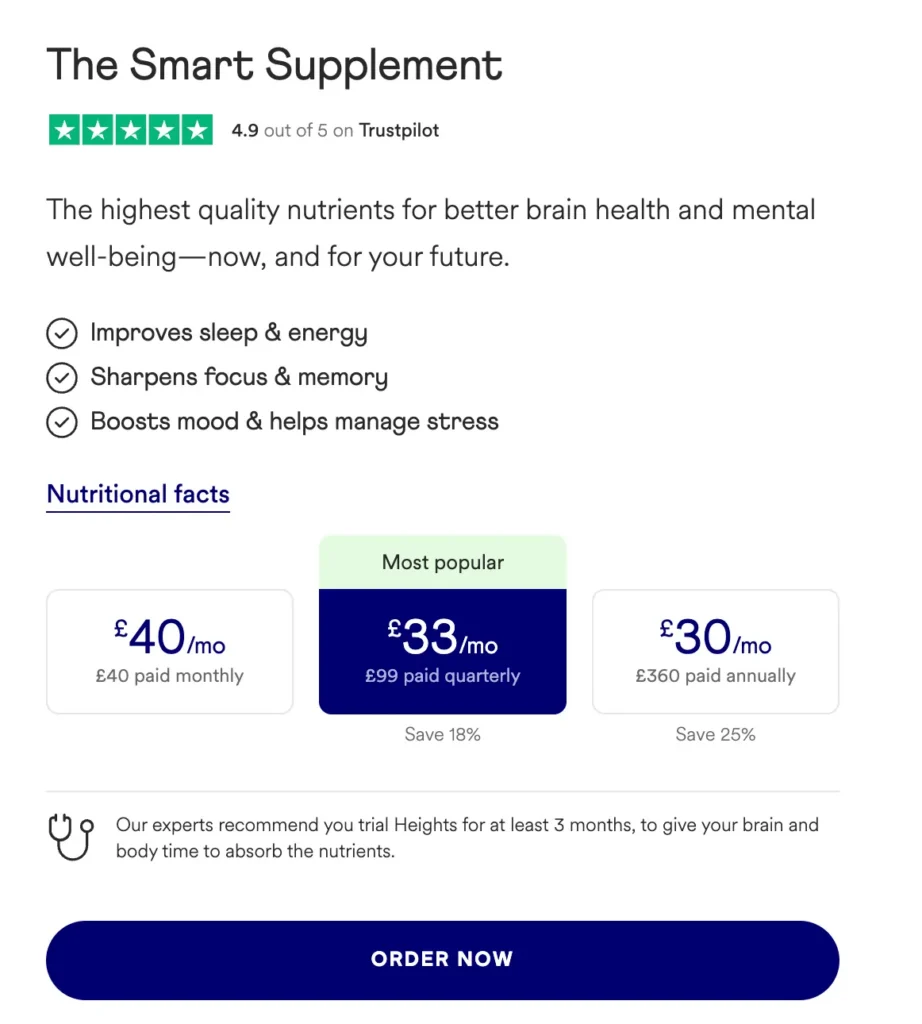
It planted something in the customer’s mind, pre-purchase: that consistency mattered right at the moment of ordering. Back then, we offered monthly, quarterly, and annual subscriptions — and it quietly helped push subscription length up over time.
When we look only at conversion rates and average order value, we miss something important: are we actually setting customers up to succeed after they buy? For any business type, those first seven days are critical. If you activate users properly in that window, they don’t just convert; they stick around and retain longer.
Your website impacts activation
We often think of activation as something that happens post-purchase, but as you saw with the Heights example, that expectation setting was key. Your website can improve activation by:
1. Creating clarity about what to expect post-purchase
Heights told customers upfront: this takes three months. That’s pushing for commitment and creating clear expectations: you need to take this longer to see results. Customers who know what to expect are far less likely to give up after a week. We reinforced it in the post-purchase email flow, and customers mention in reviews that they stuck with it for a few months to notice the differences.
2. Building enough trust that people actually commit to trying your product properly
Social proof, clear outcomes, and honest messaging about what the product does (and doesn’t do) all play a role here. Some products require effort or are tricky to set up, and if customers know that upfront, they’re far more likely to persist or to engage with the support you’ve built for them.
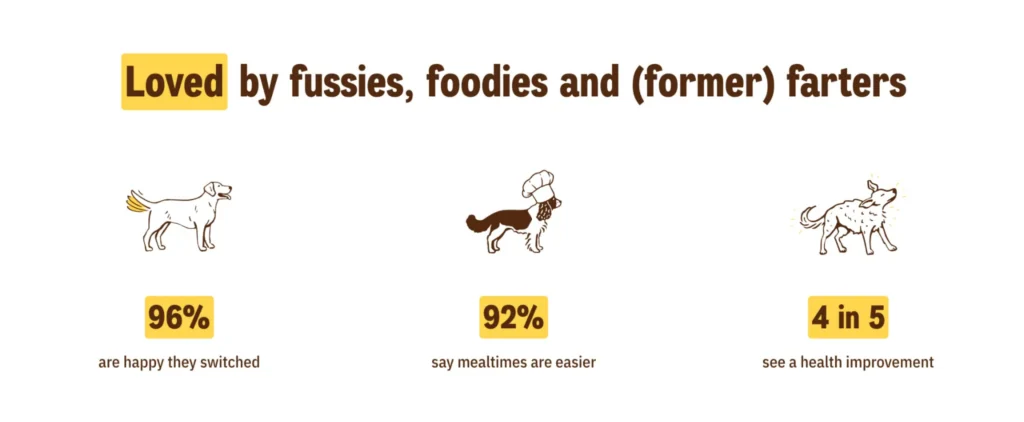
Butternut Box, a dog food brand, does this well by sharing the post-purchase experience of others on their website through stats:
3. Increasing motivation to give the product a real go
This is where understanding your customer’sJobs to Be Done matters. If your website speaks to the outcome they’re trying to achieve (not just your product’s features), they arrive with stronger intent.
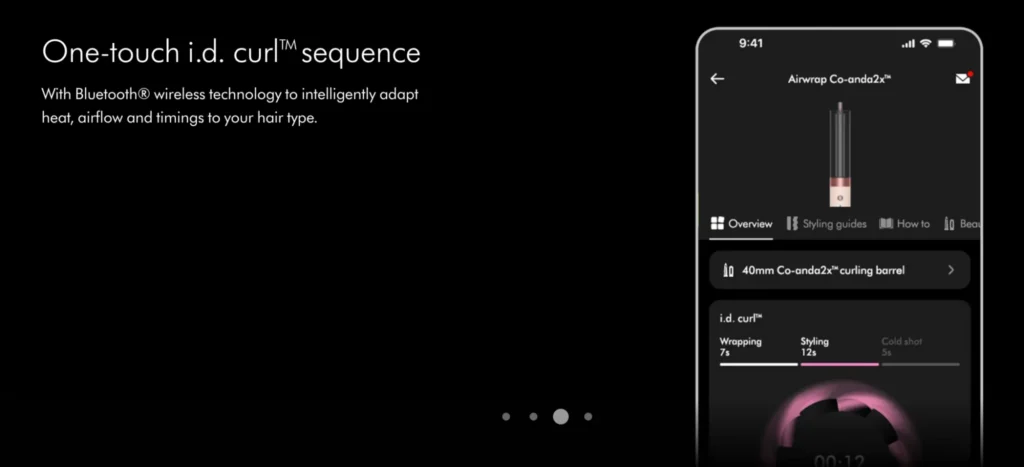
Dyson Airwrap is a good example of this. It’s a high-end hair-styling tool, but it has historically faced return challenges because users don’t always understand how to get the best results. In response, Dyson built an app to guide users through styling, helping them figure out what works best for their hair type and how to actually achieve the outcomes they were promised.
While it’s tricky to measure this impact for e-commerce products, for SaaS and apps, you can track how changes to your website resulted in users adopting a key behavior days later. I’ve seen better pre-purchase messaging result in jumps in day 7 retention and Average Revenue per User.
Beyond the initial visit
We often get caught up experimenting on the website, but your website can only do so much. Email is a key channel for driving that critical 7-day engagement.
We tend to assume that because someone has bought, they fully trust us or are happy with the decision. But buyer’s remorse is real. We’ve all had that moment of “Why did I buy that?” For me, the last time was enthusiastically ordering three 60-liter bags of soil in one go, only to barely be able to carry the box inside – did I really need that much at once?
Your post-purchase emails need to do more than confirm the order. Most companies send a transactional confirmation and then jump straight to upsells. That’s a missed opportunity. The first few emails after purchase should focus on activation, not revenue.
For an e-commerce product, that might mean reinforcing why they bought in the first place (speaking back to their JTBD), setting expectations for when they’ll start seeing results, and giving them a clear first step. For Heights, that was as simple as: take it every morning with breakfast.
For SaaS or apps, it’s about getting users to take the one action that best predicts whether they’ll stick around. Not “complete onboarding” (which is often a vanity metric), but the specific behavior that correlates with retention, for example, in a workout app, completing at least three workouts in the first week.
How to improve the first 7 days
Enough talk, let’s look at some action points. If you’re not sure where to start, here’s a practical approach:
1. Figure out what “activated” means for your product
If you have usage data (e.g., a SaaS product or app), go into your analytics and pull two groups:
- Customers who churned within the first two weeks
- Customers who are still active after 60 days
Look at what they did differently in their first week. What action predicts retention and is relevant for a large enough percentage of users?
For physical products, you can look to see if opening/clicking on certain emails in those initial days makes a difference, but usually you’ll need Job to be Done interviews so that customers can tell you about those initial 7 days.
2. Second, audit your post-purchase experience as if you were a new customer
Sign up for yourself. Buy the product. Go through every email, every notification, every in-app prompt.
Then map each moment: does this build trust, create clarity, increase motivation, or is it just noise?
For physical products, don’t forget to include packaging in that review. It’s a powerful moment to reinforce benefits at the point of first use. For example, Mission Teas does this well in their packaging, using the box itself to reinforce why the product matters and how to get the most out of it from day one.
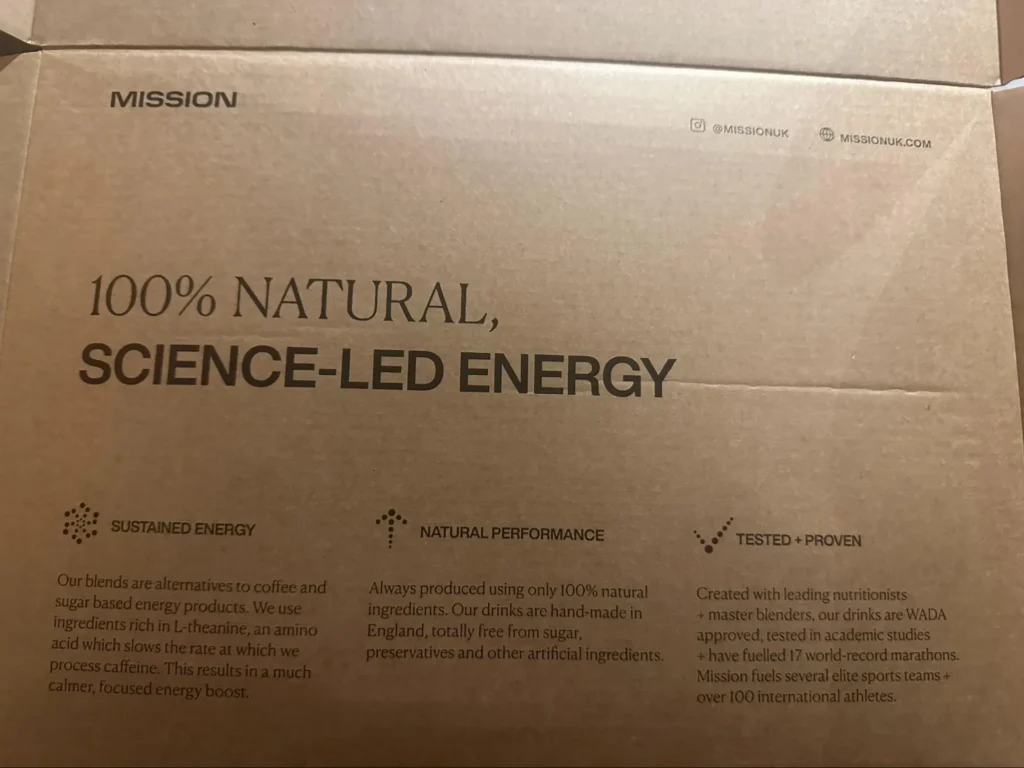
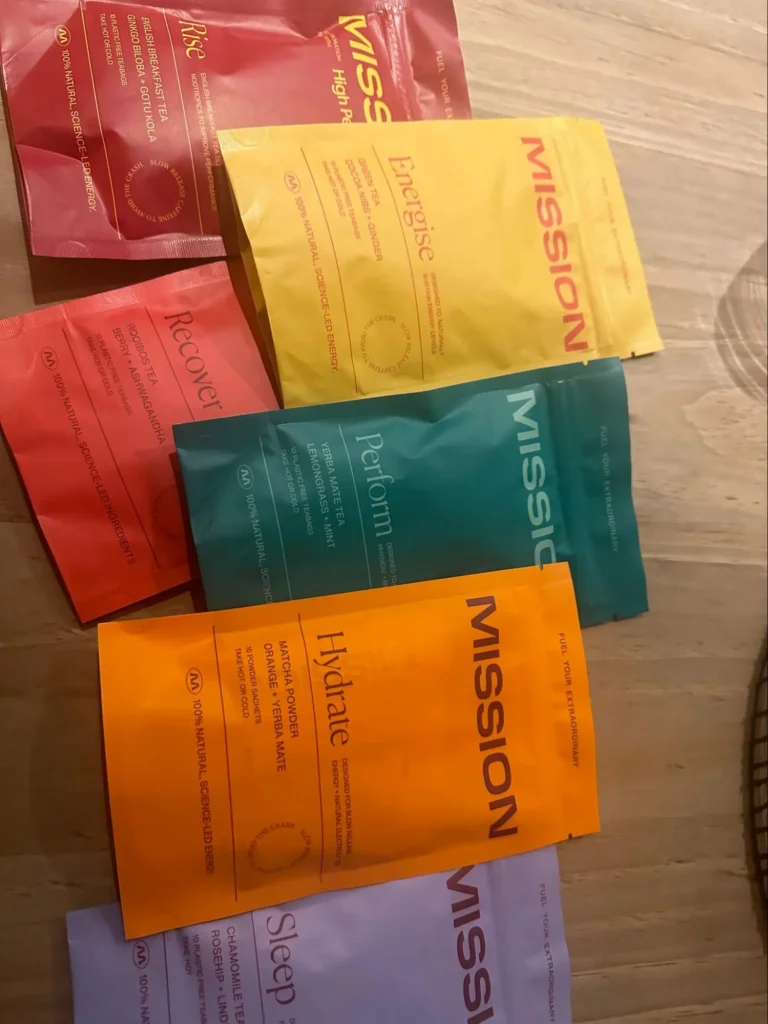
Or build a personal connection like La Doux, the haircare brand, does:
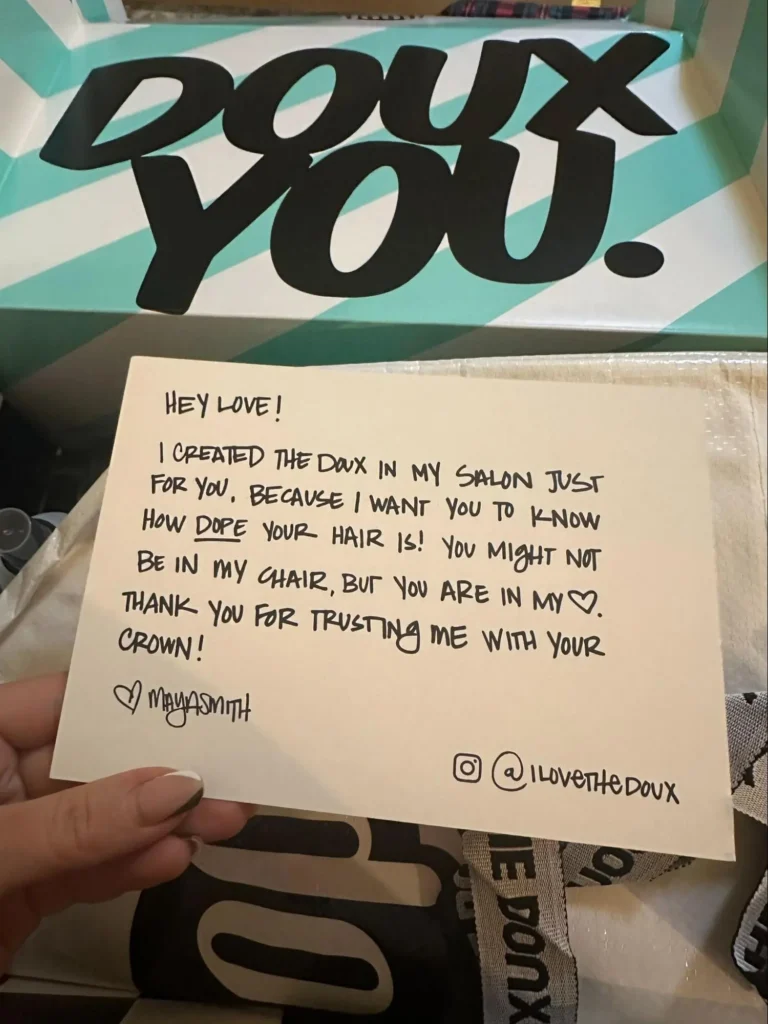
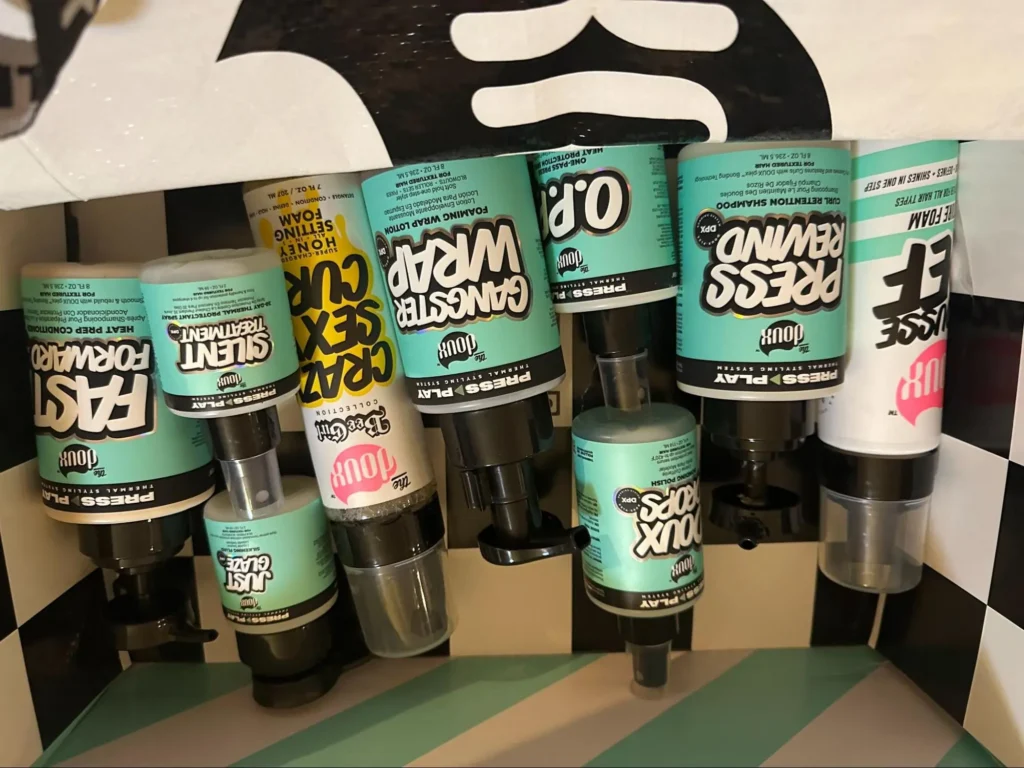
That simple message conveys appreciation and the brand personality, creating trust.
3. Experiment on the moments that matter most
For most businesses, day 0 (the moment of purchase) and days 1-3 (the first time they use or receive the product) are when the biggest drops occur.
Even small changes in what happens in those moments can have outsized effects on retention weeks later.
For example, for one brand, simply adding common FAQs to the first few emails reduced customer support queries and had a measurable positive impact on retention.
4. Don’t forget the website
As the Heights example shows, activation doesn’t start after the purchase. What you communicate before someone buys shapes how they behave afterward.
That’s why it’s worth testing messaging around expectations, timelines, and outcomes. These aren’t traditional CRO tests, but they can be more impactful than anything you do to the checkout flow itself.
What to measure
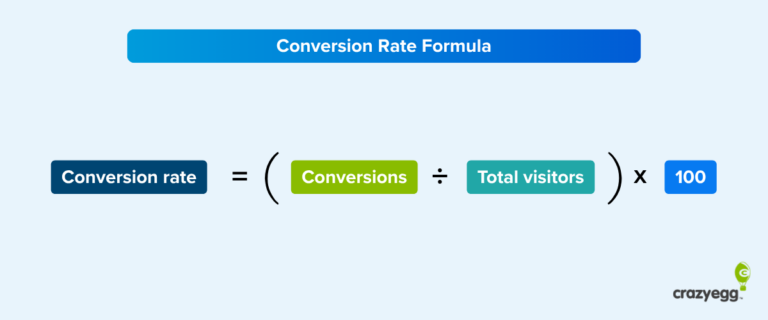
The biggest mistake I see is teams only looking at conversion rate, maybe AOV and calling it a day.
What metrics you should focus on depends a bit on your business type, but here are a few to get you started:
- Day 1 and day 7 retention (or repurchase, for e-commerce). These are the most basic indicators of whether people are sticking.
- Time to first key action. How long does it take someone to do the thing that predicts they’ll stay? The shorter this is, the better your activation is working.
- Second session rate. Did they come back? If someone buys or signs up and never returns, your activation is broken, regardless of how good your conversion rate looks.
And if you can, track these metrics segmented by acquisition source. Not all traffic is equal.
I’ve worked with apps where activation looked “broken” overall, but once we segmented by channel, the picture changed completely. Organic users were activating at 2x the rate of paid users. The problem wasn’t activation at all; it was traffic quality.
Before you start redesigning onboarding flows or rewriting product messaging, check whether the issue is actually who is coming in, not what happens after they arrive.
The compounding effect
Here’s why this matters so much for CRO teams: activation experiments compound in a way that landing page experiments simply don’t.
A 10% improvement in your landing page conversion rate gives you 10% more customers. But a 10% improvement in 7-day retention means those customers stay longer, spend more, and are more likely to refer others. The impact doesn’t just add up; it multiplies over months and years.
Most CRO teams are optimizing the front door while ignoring what happens once people walk through it. The first 7 days are arguably the most underrated experiment opportunity you have, and the one most likely to show up in revenue long after the initial conversion.


Mobile reading?
Written By
Daphne Tideman
Written By
Daphne Tideman