Optimize for the Next Query: Building Informational Content Around Search Journeys, Not Single Keywords
When it comes to informational content planning, traditional search engine optimization (SEO) tactics are based around identifying individual keywords and creating pages intended to rank for them. This approach isn’t bad, but it is incomplete. It treats each search as a one-time event when, in reality, search is an ever-evolving process.
People seek to learn something through their initial search. Once users better understand what they need, they then develop new questions. In this context, it’s not enough to target single keywords at the beginning of the journey. Content strategies that consider what people are searching for now, but also anticipate what users may need next as they develop new questions, are better equipped to address users’ evolving information needs.
Search Doesn’t End With One Query
Users don’t always come to a search engine knowing exactly what they need. Through searching, people learn and refine their needs based on this new information. What starts with one question can, and often does, turn into many additional follow-up questions. This means that the original keyword may only address one part of the user’s actual need.
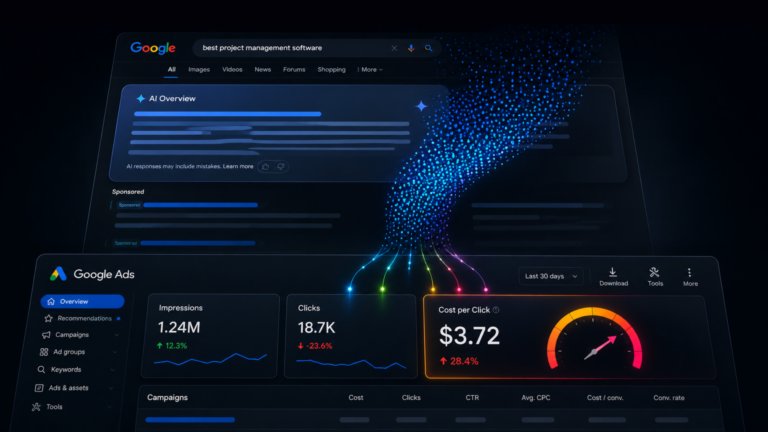
The advancement of modern search supports this idea. AI features from Google are designed to use reasoning and dive deeper into topics to provide a more comprehensive search experience, and they’re improving all the time. At Google I/O this past year, the search engine announced one of the biggest updates to its search bar in 25 years. Powered by Google’s AI tools, users can now ask complicated questions that previously may have required multiple searches. Both Google’s AI Mode and AI Overviews use a technique called “query fan-out,” which performs multiple related searches across various subtopics and sources before coming up with a response.

The key implication is that one query can come with multiple information needs. By understanding the broader information need surrounding a query, you can create content that supports a larger part of the search journey.
What Does “The Next Query” Actually Mean?
The next query is anticipating the next information need that someone may encounter on their search journey after getting an answer to their initial search. As searchers learn, their intent can shift from seeking broad information to wanting specific details or to complete an action like a purchase. The search journey is nonlinear, and targeting the next query or queries can help ensure a site’s ability to offer answers, further resources, or a link to the next step.
For example, if someone was searching for “best running shoes”, they may learn that the best running shoe depends on the type of feet they have and whether they overpronate or not. The user might become curious about how to tell if they supinate or pronate, what the best shoes are for overpronation, and which shoes provide the best stability. All of these queries came from the user seeking one answer to a broad question and discovering that there is more to know on the topic.
While it’s not possible to predict exactly what someone might search for next, we can anticipate what someone might like to know next on their journey. That is what it means to optimize for the next query.
How to Research a Search Journey
Understanding the search journey starts with the initial query. When a user makes that first search, they are trying to achieve some goal, whether that be to learn, decide, or complete an action. Google’s guidance on making people-first content encourages creators to evaluate whether someone who reads their content will have learned enough to help achieve their goal.
Targeting a single keyword may not be sufficient to support the user. For instance, the primary keyword might be “best running shoes”, but the goal of the user could be to find the right running shoes for their specific needs. Of course, it’s not possible to know the end goal of everyone who searches for a certain query. But taking the time to consider it and make an inference is a good place to begin the research process and eventually address potential information needs.
There are several ways to identify possible ideas for optimizing or creating content. A good place to start is on the search engine result pages (SERPs), using features like Google’s “people also ask” (PAA) or “related searches.” Gain insight by reading content that is ranking highly for a given query and see how others answer these questions. These pages are ranking because Google has found that they offer users exactly what they’re looking for. PAA and other in-SERP features are also perfect questions to speak to in a comprehensive piece of content on the topic.
Additionally, you can also take feedback directly from the consumer. Reading reviews or forum discussions on platforms like Reddit or Quora provides real-world questions or concerns that people have around a topic.
After collecting a list of queries, questions, and subtopics, analyze the findings for relationships and commonalities. Consider what the different information needs are. The final step is to compare the list of needs with what content currently exists on your website to identify gaps in the search journey.
Building Content Around the Search Journey
Optimizing for the next query does not mean creating a page for every single query that was found during the research phase. It means taking a step back, looking at what you’ve found, and finding ways to improve or create more comprehensive clusters of content for users. If there is an information gap between the search journey and the content on your site, then consider adding it where it makes sense. The goal is to add value, not clutter.
Assess the list of queries and subtopics and decide what belongs together. Queries may have slightly different wordings but ultimately have the same intent. Closely related questions can be answered together in a comprehensive guide. For example, “how do I know if I overpronate” and “signs of overpronation” are separate queries. Still, they ultimately represent the same information need, and therefore don’t need their own pages. Combining them together is the answer because (a) they’re related and (b) you’re creating a more useful page that will have a stronger chance to rank and appear in AI search.
Groups of queries or subtopics that are distinct enough can have their own resource. A popular framework for organizing content is topic clusters. A topic cluster features a pillar page that provides the broad overview of a topic and has cluster pages that break down subtopics in greater detail.
After creating or optimizing content and organizing it, an important next step is building internal links. Internal links connect related pages and resources. They are beneficial for helping search engines discover pages and understand the relationship between content. Not to mention, this tactic improves the user experience by providing an easy route to a page that may answer their next question.
Measure Beyond a Single Ranking
Optimizing for more than one query means that success shouldn’t be judged solely by the ranking of one keyword. Keyword rankings and performance still matter, but they’re just one part of the picture. Instead, track impressions, sessions, and clicks across the broader range of queries, with the understanding that many informational queries result in zero-click searches. Other potentially useful metrics are time spent on page and pages viewed per session, which could indicate that users are engaging with more content that has been built around their needs.
Keyword research and content optimization are still relevant. However, the initial search is just the first step of a larger process. As people learn and their understanding evolves, so must the content strategy. A keyword can capture one search, but building around the search journey creates opportunities to support users across their ever-evolving information needs.